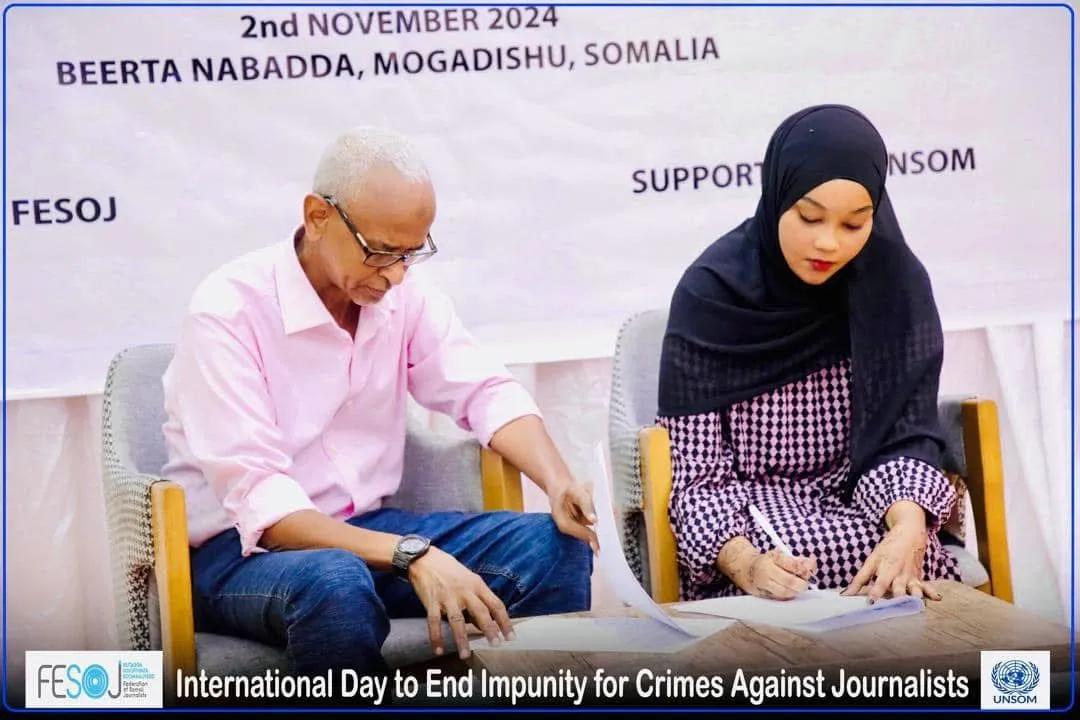


Mogadishu – Somalia is recovering after years of conflict which affected so much of society – including the country’s fragile justice system.
It is a system that is rebuilding itself but also re-organizing itself – the male-dominated legal field is slowly opening as more and more Somali women pursue legal careers.
One of them is Iman Ahmed Abdikarim, a 28-year-old female lawyer who also founded Mogadishu's first female-led law firm.
“My mission is to defend the rights of Somalia’s most marginalised, especially women, minorities, and the poor, who have long been denied a fair hearing,” says Ms. Abdikarim.
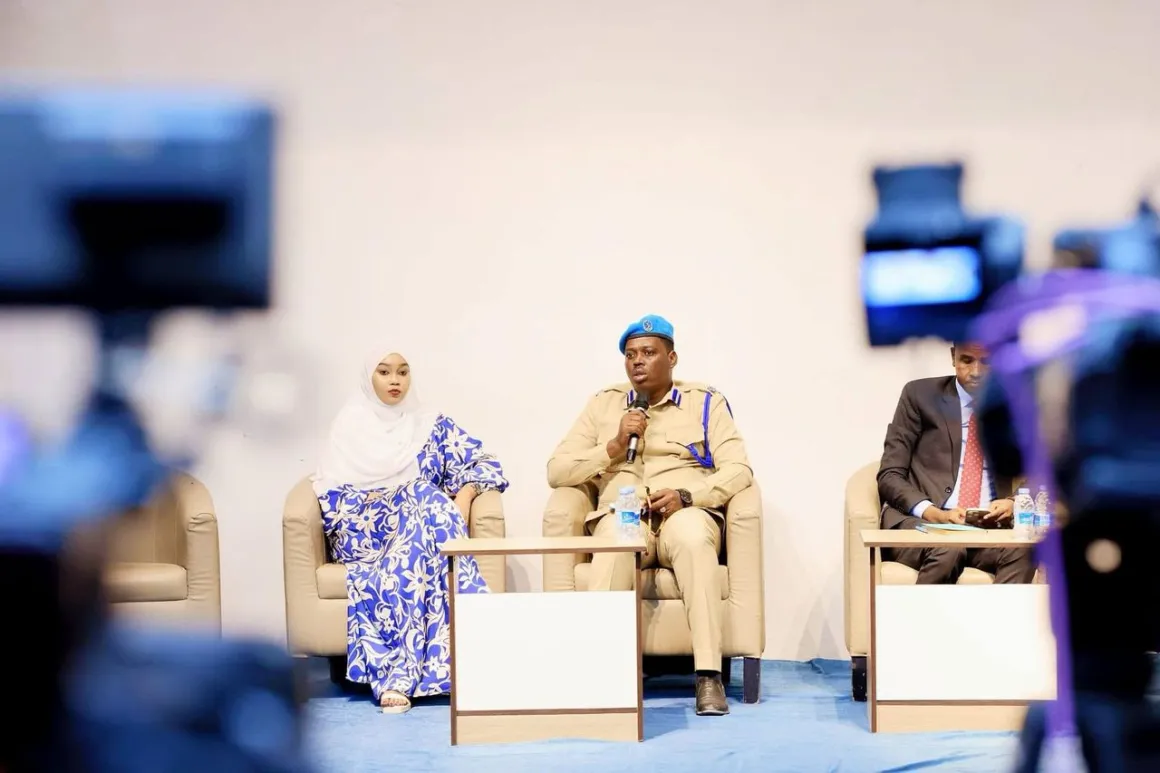
Her journey into law began not in a classroom, but in front of a television screen. She was inspired watching popular US television drama series such as ‘Law and Order.’
“From a young age, I was drawn to legal dramas,” she recalls. “They taught me to appreciate the dynamics of the courtroom and the power of a lawyer in defending the defenceless.”
Beginnings
Ms. Abdikarim was born in Rome, Italy, in 1997, and moved back to Somalia with her mother at the age of two. She entered the local school system, undertaking her studies at the Mogadishu Primary and Secondary School in Shibis, then later at the Sheikh Hasan Barsame, from which she graduated in 2015.
There was no doubt as to what she would study in university.
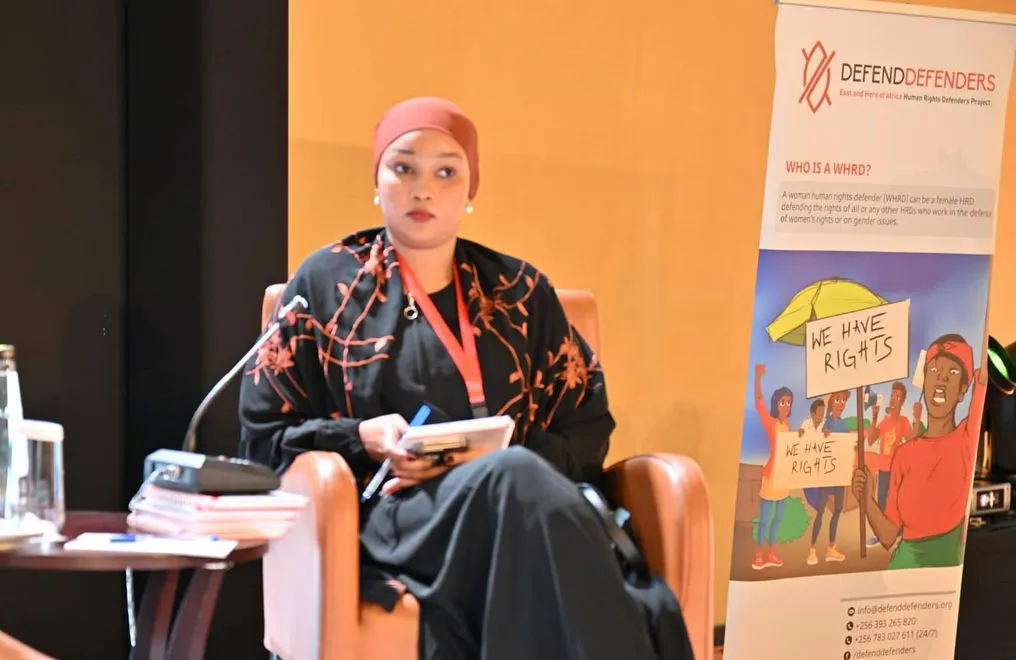
“My love for the law has never faded, and I never considered studying anything else,” Ms. Abdikarim says.
She enrolled in a Bachelor of Laws degree at SIMAD University in 2017, and was one of just 40 students admitted to the Faculty of Law’s programme. Not everyone shared her enthusiasm for her chosen area of study.
“The country was emerging from war, and justice institutions were weak – people would ask me, ‘Why study law? Is there even law in this country?’” Ms. Abdikarim says. “But my mind was made up. I knew I would have much work ahead helping those whose voices went unheard.”
After graduating in 2021, she pursued a postgraduate degree in Law and Sharia at the University of Mogadishu and, in 2022, earned her license to practise law from the Somali Bar Association.
She was fortunate to secure a position at a law firm in Mogadishu, where her area of focus was commercial law, providing advice to private companies and individuals who could afford the legal fees involved.
Ms. Abdikarim enjoyed her exposure to private practice, but she sought something more – a way for the law to help a wider slice of society.
“All the people I helped could pay for themselves, but I also saw others turned away because they had no money. That was when I knew I had to work independently,” she says, adding that this realisation led to her resigning not long afterwards.
New start
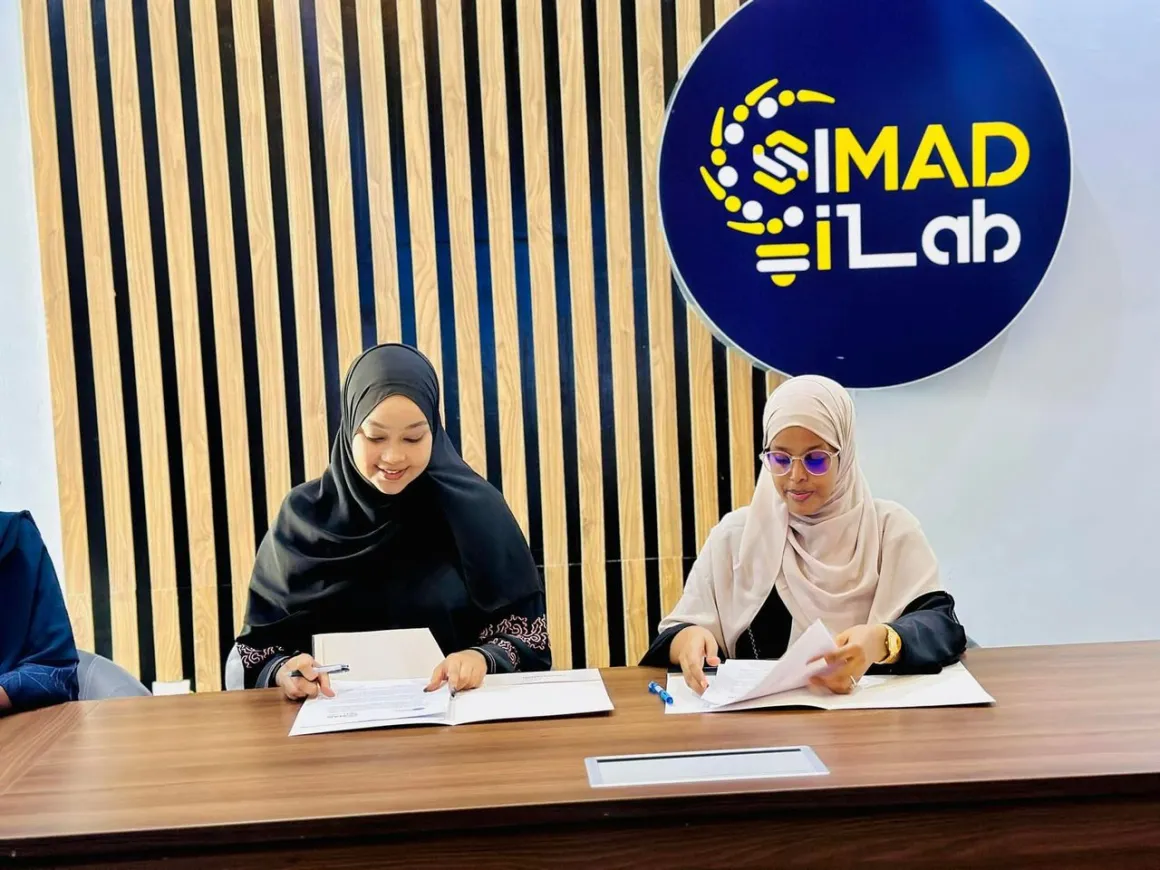
In August 2023, Ms. Abdikarim founded Hiil Law Firm. She invested all of her savings in the firm, and based its foundation on a clear principle: access to justice should not be a privilege for a few.
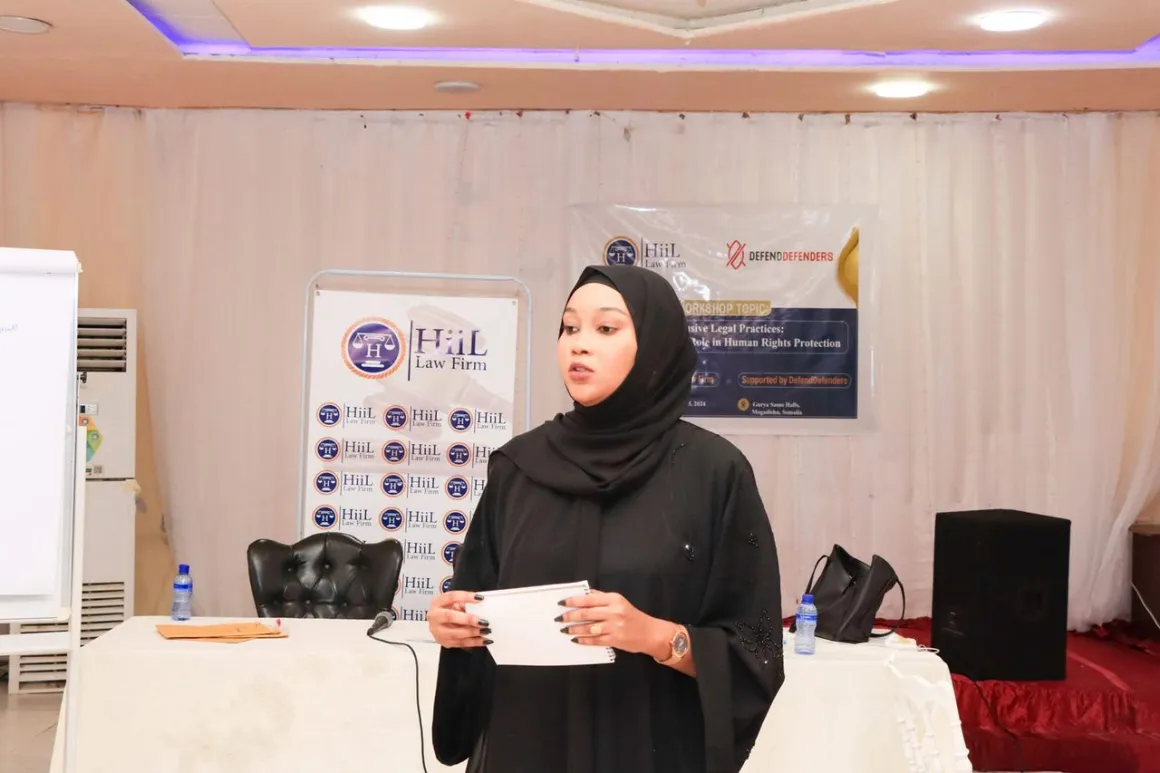
Within months, what began as a two-person operation grew to employ 12 lawyers, offering both paid services and free legal aid. The firm has taken on more than 50 pro bono cases since its founding and also collaborates with local and international civil society organisations to raise awareness of human rights across the country and beyond.
An example of its partnerships is that with DefendDefenders, a non-governmental organisation based in Uganda and which, according to its website, works “to strengthen the work of human rights defenders in the sub-region by reducing their vulnerability to the risk of persecution and by enhancing their capacity to effectively defend human rights.”
“We partner with DefendDefenders to support those who cannot afford legal fees,” Ms. Abdikarim says.
Hiil Law Firm’s approach does not stop at litigation, whether paid or pro bono. The firm also conducts legal training sessions for the public, and contributes to civil society initiatives involving Somali media, youth and civil society in order to help educate them about their rights.
It has trained more than 300 members of the public, and collaborates with media associations such as the Federation of Somali Journalists (FESOJ) and the Women in Media Network (WMN) to advocate for press freedom.
“We helped free 15 journalists working with FESOJ and Women in Media Network. We have also conducted 10 workshops with them,” Ms. Abdikarim notes.
Breaking barriers
In Somalia, the legal profession has traditionally been dominated by men. Women entering the field have often faced bias as a result of social prejudice and negative perceptions of the role of women in leadership and the legal system.
“Many doubted that a young woman could contribute meaningfully,” Ms. Abdikarim says. “But attitudes are shifting. Today, people are willing to work with us.”
The Somali Bar Association (SBA) was established in 2011 with, according to its website, the mission to improve the standards of the legal profession in Somalia “through feasible access to justice, and promote the equity and equality that is enshrined in the United Nations Universal Declaration of Human Rights and other subsequent international bills of human rights.”
The SBA states that there are currently 320 licensed lawyers practising in Somalia and 87 of them are women.
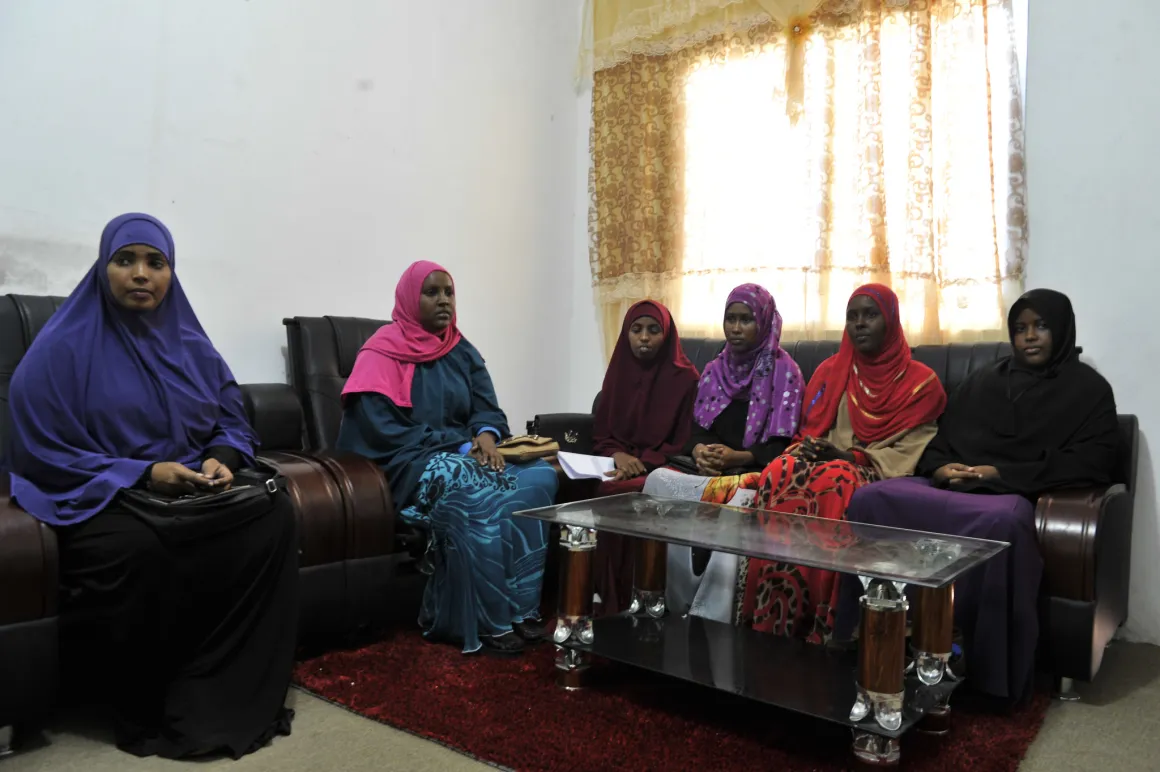
“Women are important and necessary in the legal profession as lawyers, prosecutors and judges – they bring essential perspectives, especially but not only on issues affecting women,” says the SBA’s Secretary-General, Dahir Mohamed Ali ‘Dahir Arab.
Ms. Abdikarim has high hopes for the Hiil Law Firm, and is determined to see them come to fruition. She dreams of expanding the firm’s reach with offices across Somalia, developing a pipeline of female lawyers, and ensuring that justice is accessible for all.
“The future belongs to those who dare. Justice is not given – it is built,” she says. “We must keep pushing forward.”
UN, women and the law
In Somalia, the United Nations supports and encourages women’s access to justice through institutional strengthening and capacity-building for justice institutions. This includes increasing women's participation in the legal profession and women lawyers’ associations, to strengthen gender empowerment in the justice system.
Equal participation of women in the legal profession reflects gender equality in public institutions and builds trust among all sections of society.
The UN has historically supported female participation in the legal profession, through scholarships and work experience opportunities in government, as well as enhancing women’s voice in informal dispute resolution processes.
“Despite women’s increased engagement in public life, they remain significantly underrepresented in decision-making positions: while there are female prosecutors and court administrators, there are no women judges in the country,” says Nasrin Khan, the Head of the Rule of Law and Security Institutions Group at the United Nations Transitional Assistance Mission in Somalia (UNTMIS).
“Greater representation in the law is vital to ensuring that courts represent their citizens, address their concerns and hand down sound judgments,” she added. “By their mere presence, women in this field enhance the legitimacy of courts, sending a powerful signal that they are open and accessible to those who seek recourse to justice.”